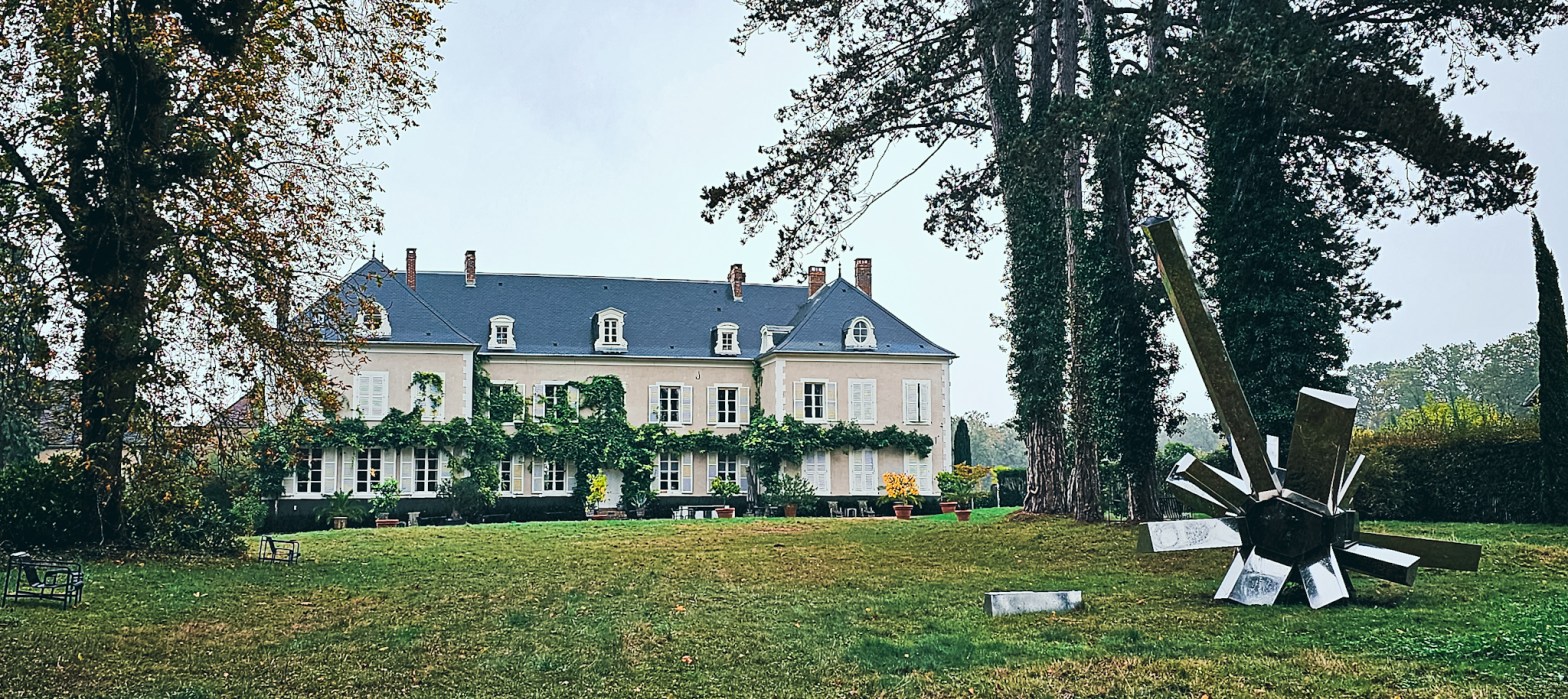
Just fifteen minutes outside the town of Auxerre, and surrounded by vineyards and chocolate box towns of Burgundy, sits Château de la Resle – an intoxicating blend of bold modernity and old world charm.
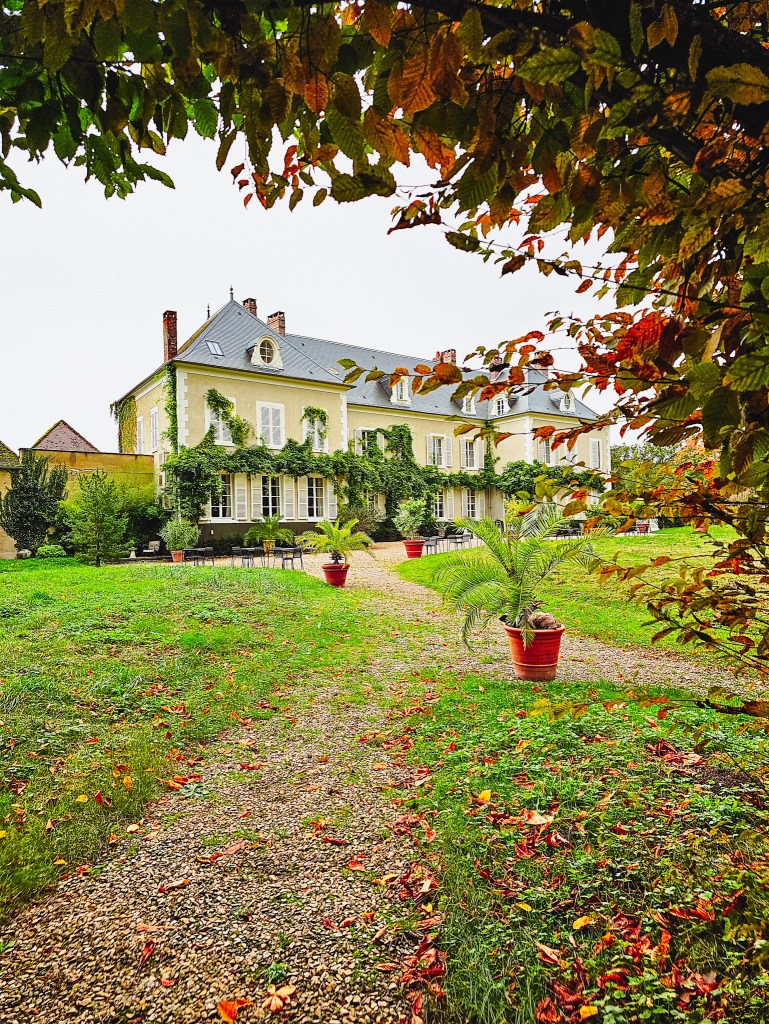
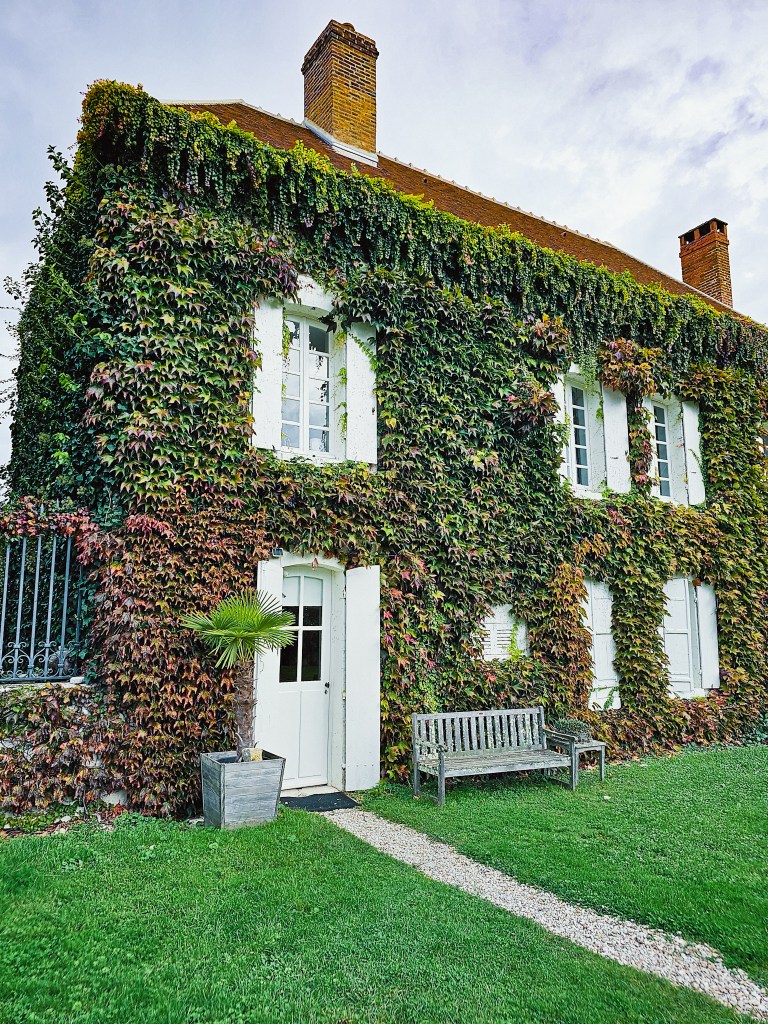
On arrival, it has all the hallmarks of a classic French mansion: wooden shutters, turreted roofs, oeils-de-boeuf windows, and façades draped in ivy.
However, step inside and you’re transported to an artist’s paradise with surrealist sculptures and avant-garde installations at every turn. This is a place to arrive and spend days getting lost in.
More than just a hotel, the château is also family home to Johan and Pieter, a Dutch couple who bought and completely renovated the property in 2005. They are the designers-in-chief and the reason that Château de la Resle has earned its place on the prestigious list of Design Hotels – a title reserved for the most design-forward and chic addresses.
The property has been the backdrop for a fascinating history since its construction in the 17th century. Prior to the 2005 purchase, the house hadn’t been properly lived in since World War 2, when it was occupied by members of the French Milice – a pro-Nazi paramilitary group. These members were executed for war crimes at the end of the war, leaving the property empty.
It was sold on, but made headlines again in 1999 when under the ownership of Total Oil CEO Thierry Desmarets. Following the accidental release of 20,000 tons of oil into the Brittany sea after the sinking of a tanker, the château was invaded and occupied for two days by anti-oil protesters. In addition to making international headlines, the property’s original features sustained some collateral damage as a result of the occupation.
Year later, Château de la Resle has taken on its latest incarnation as a 10-room boutique hotel, comprising the original house and detached outhouse buildings. It’s a classic countryside estate set across six acres of land, with endless meandering potential and dotted with the odd unexpected art installation.
Each room in the hotel is named for one of the picturesque villages nearby. We’re staying in one of the two Irancy rooms, located in the main house and with views over the exterior courtyard and the vineyards beyond.
It’s a warm and inviting space in a moody shade of deep blue, teeming with character in the form of dark wood antique furniture, statement chairs and lighting, and touches of modern art.
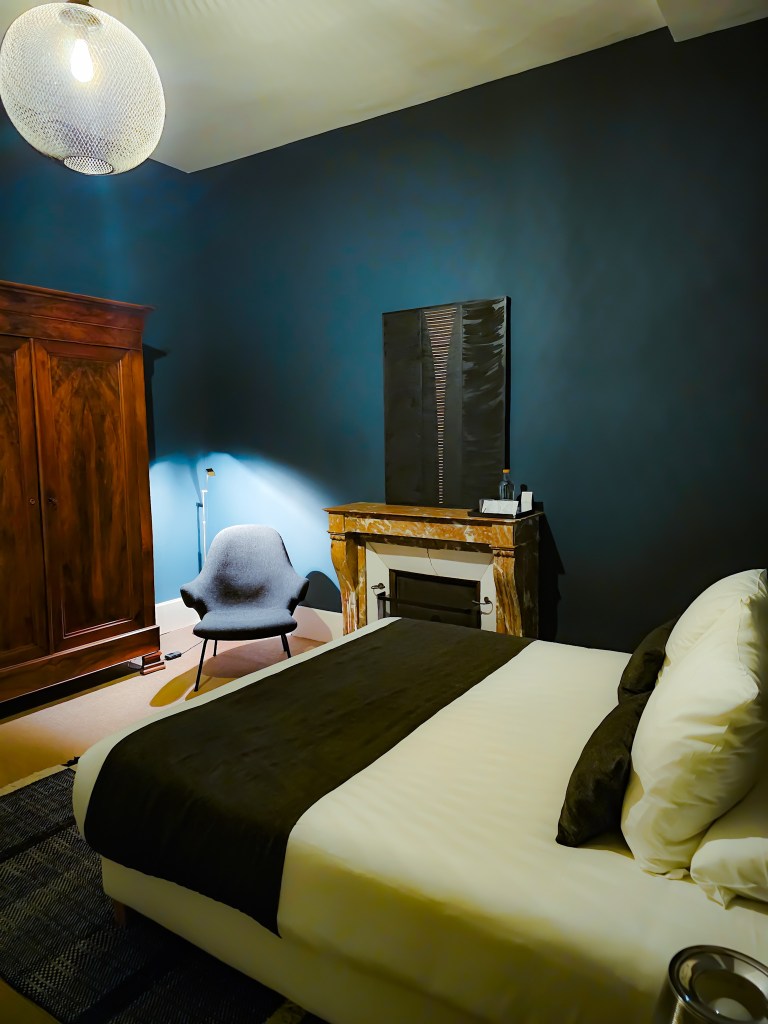
A large armoire conceals the minibar, which contains snacks and wine from the region. Enjoying the spoils of Burgundy is an important part of the overall experience here, and the hotel offers not one but two honesty bars, giving guests access to specially-selected bottles from the wineries of the surrounding villages.
Inside our bedroom, an intoxicating scent fills the air courtesy of diffusers from Dutch sustainable fragrance brand Marie Stella Maris – a nod to the owners’ homeland. The bathroom is typical of a stately home, with full-sized windows that let in plenty of light, and palatial dimensions. An antique dresser sits shoulder-to-shoulder with a modern double shower, blending modern conveniences with the historical character of the space with ease. Back in the bedroom, an open archway leads to a cosy dressing room overlooking the courtyard.
Château de la Resle’s ten bedrooms are divided between the main house and outhouses, including larger family suites spread across the old caretaker’s cottage and farm house.
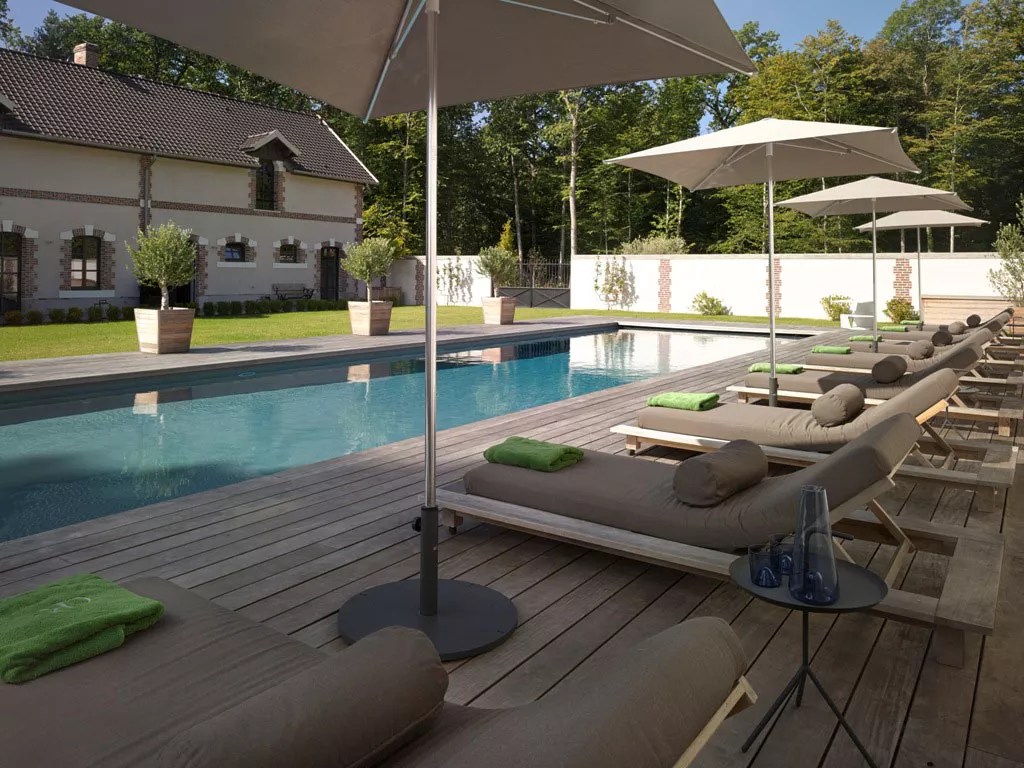
The suites located in the old barn have direct access to a heated pool, around which al fresco dinners are served on particular evenings in the summer months. From June to September, a number of special tasting menus are prepared by chef Quentin Denis, from local dishes of the region to a healthy superfoods menu. All, of course, can be paired with an excellent Burgundy white or red from an extensive wine menu.
As we tour the hotel’s grounds, we’re joined by Monty, the château’s resident cat, who happily meanders alongside us, mewing for attention. He’s another reminder that this is, first and foremost, a family home. Each room is completely unique, drawing on different design inspirations, colour palettes and details.
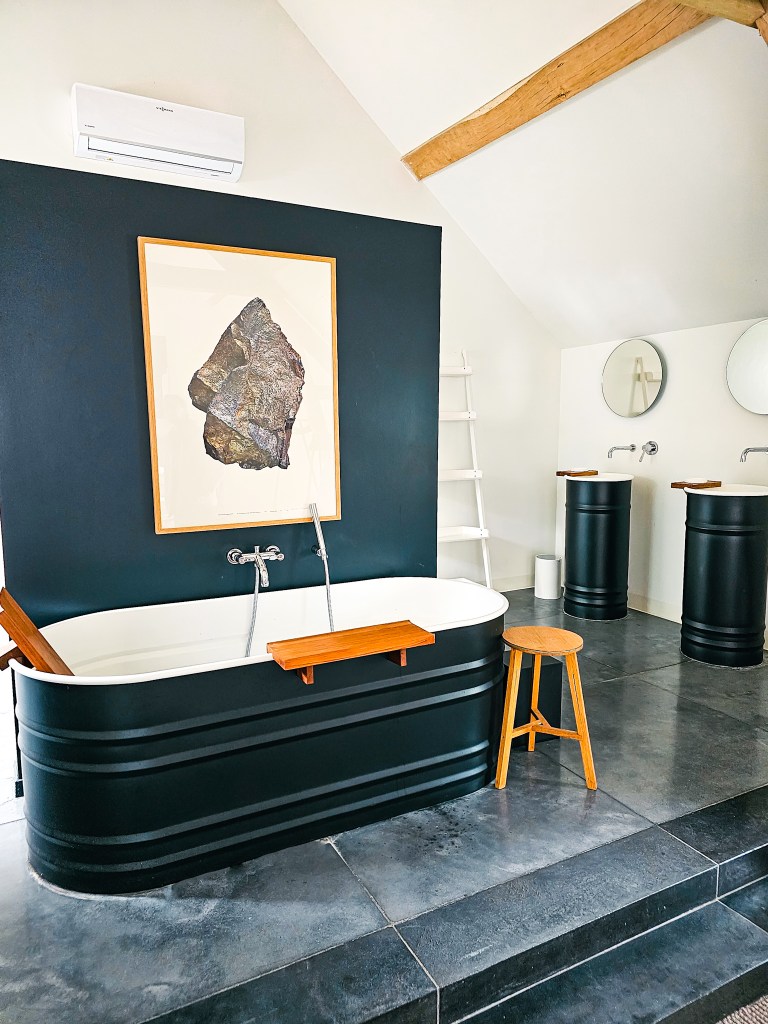
The Fontenay suites are duplexes, a spiral staircase connecting the two levels. Upstairs, the pièce de résistance is a striking standalone bath in black enamel in the centre of the room – part of an open-plan bathroom.
The Vezelay loft suites feature a chic kitchen space on the ground floor, with glass doors opening directly onto the pool area.
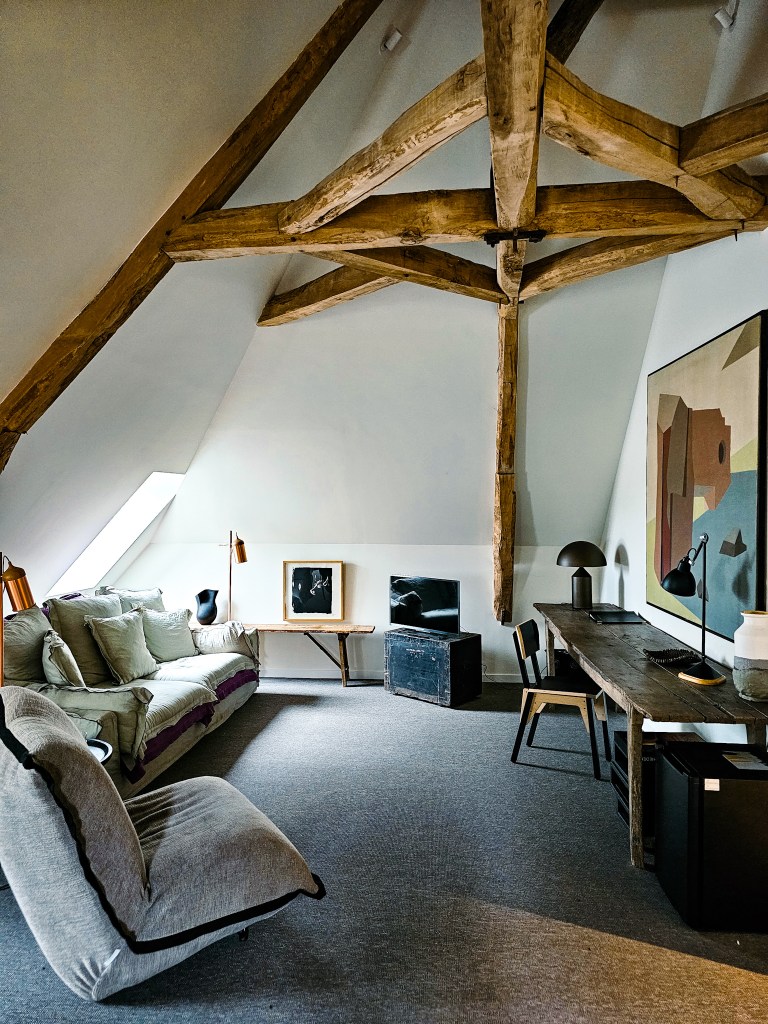
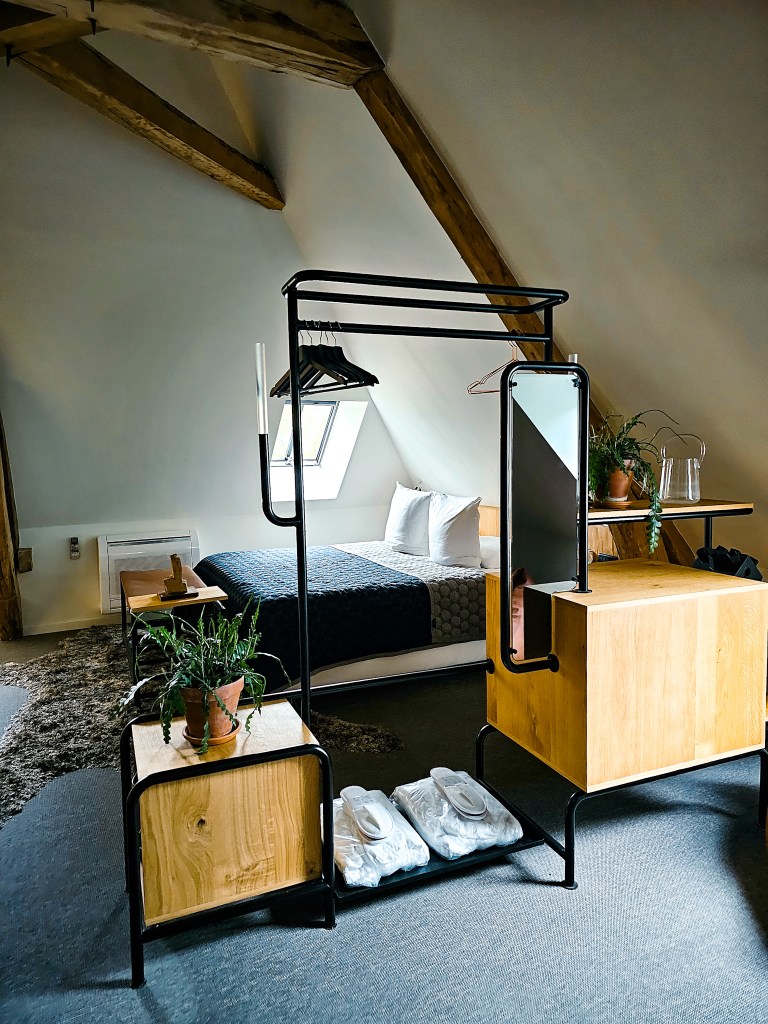
Back in the main house, the design favours a more traditional style, making the most of original features like the wooden beams in the attic and shuttered windows, but always contrasted against a burst of modernity in the form of a distinctive painting or sculpture.
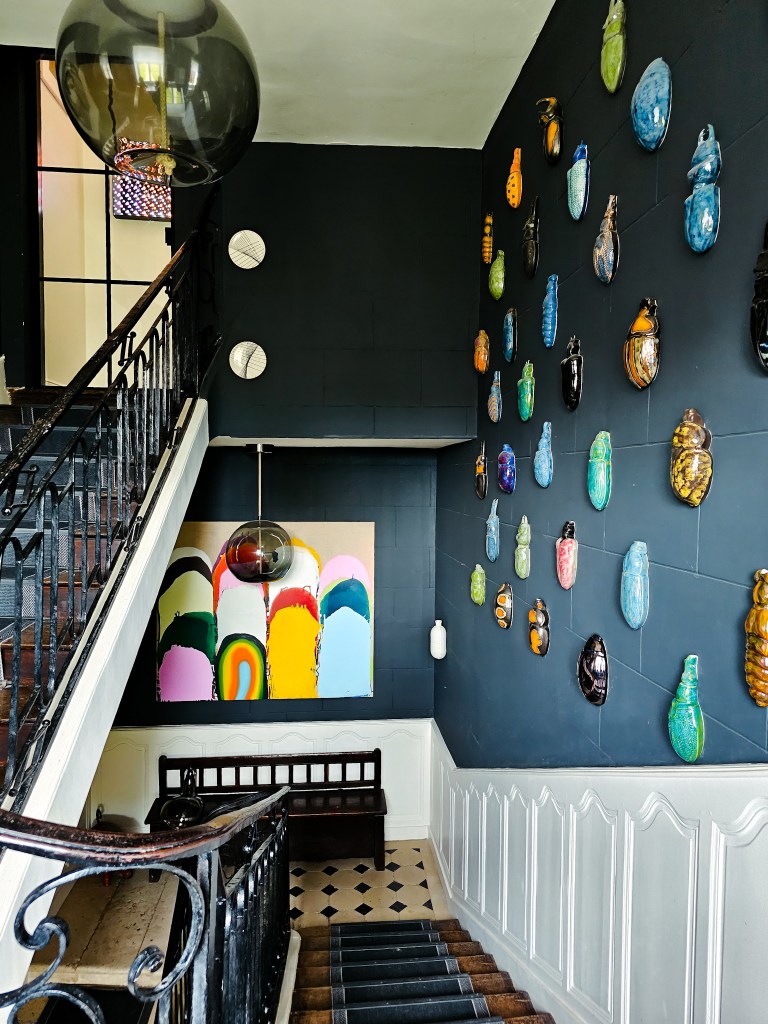
Wandering around the castle is akin to visiting an art gallery; iridescent ceramic beetles line the staircase and every corner is filled with another surreal artwork. Nature plays an important role, from felt birds in a nest to ceramic depictions of distorted landscapes. Neon lighting leads to the upper floor, which doubles as a boutique gym and massage treatment room (a masseur can be organised on request). There’s also a small conference space, making the hotel an ideal choice for corporate events or away days.
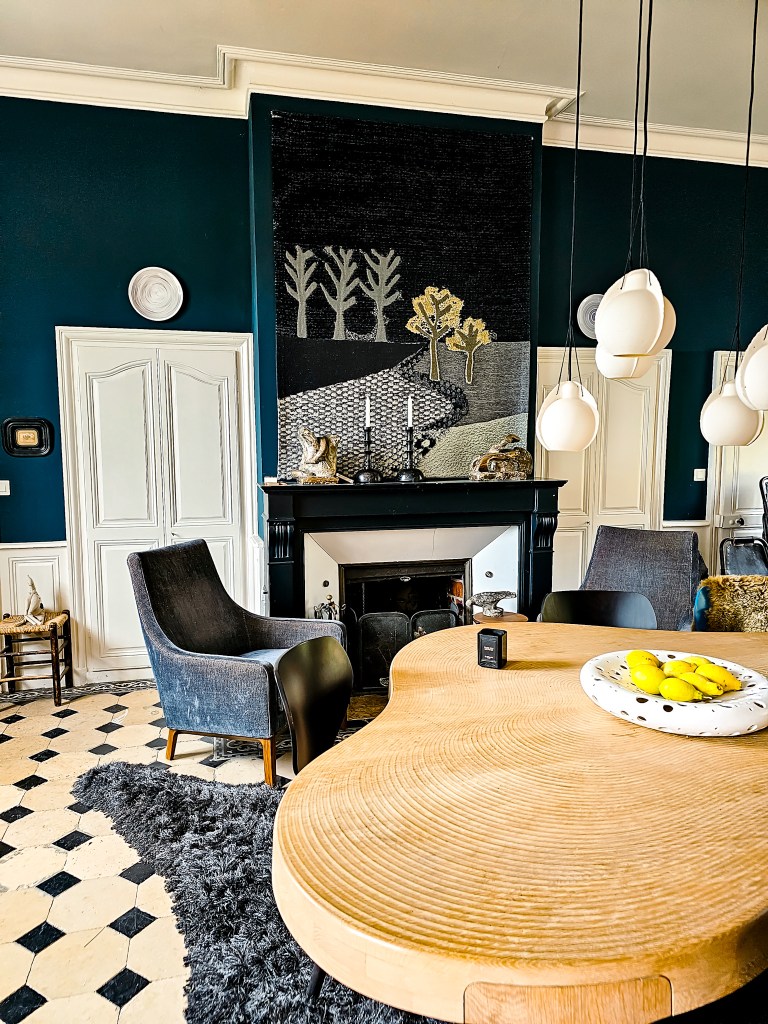
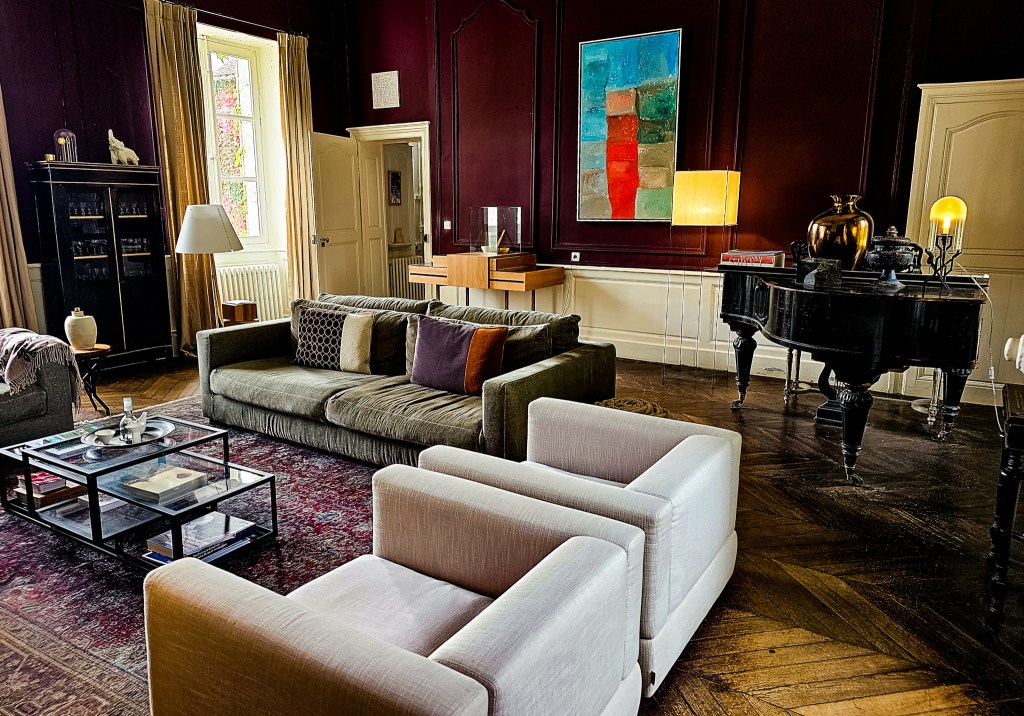
On the ground floor, grandeur is dialled up to the nth degree. A formal sitting room is regal in burgundy and cream, a large grand piano (guests are encouraged to play) dominates one corner while an elaborate marble fireplace sits beneath a historical tale delicately crafted from plaster moulding. A further reception room doubles as an office space for the owners, and is dominated by a wooden table that looks like it has been sliced horizontally from a single tree trunk. Statement chandeliers hang low and soft furnishings add warmth.
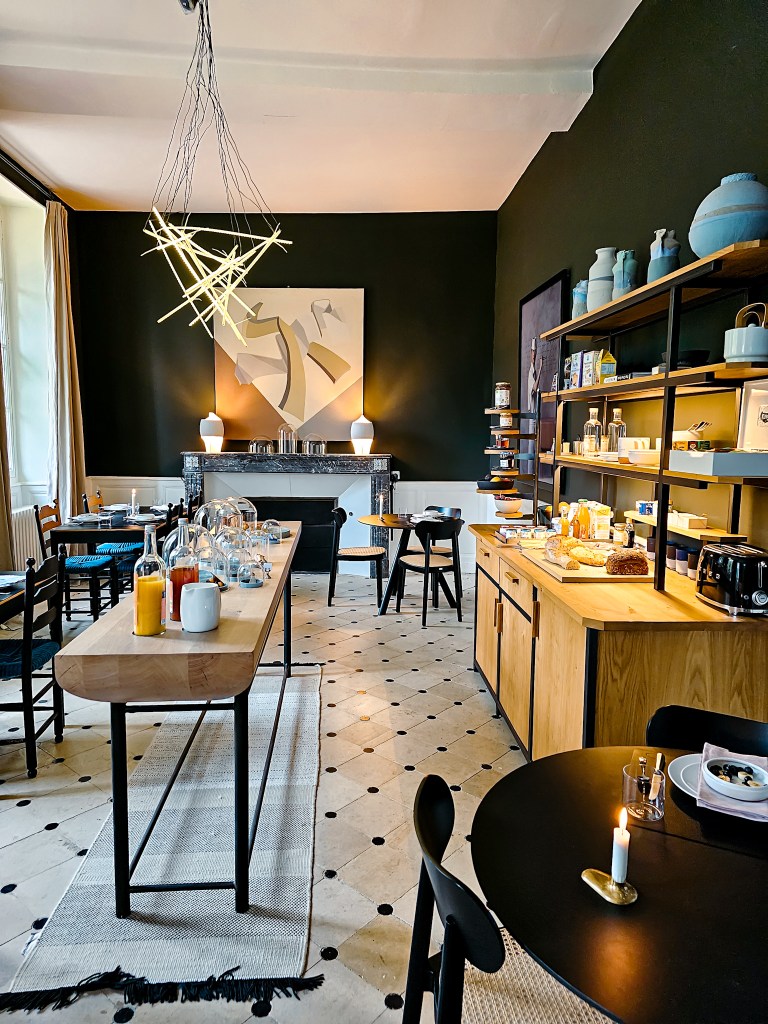
Breakfast is served in a stylish scullery-style dining room in bottle green. Statement lighting illuminates a breakfast bar filled with pastries and cakes that have arrived fresh that day from the local bakery. There is a continental selection in the form of local meats, cheeses, and eggs available to order.
On each table sits a lit candle, adding a touch of unexpected romance against the wintery grey morning outside.
We’ve come across a handful of hotels like this in Europe, but they’re an extreme rarity. It’s especially rare to find one in such a conspicuous setting as this, hidden in plain sight in a stately home in the middle of the Burgundy countryside. What makes Château de la Resle so special is the fact that it’s primarily a home, and the personal touch of Johan and Pieter is palpable at every turn. Everything is underpinned by great taste and high quality – a million miles from generic, and the true definition of a luxury experience.
A stay at Château de la Resle is an invitation to temporarily move in and make yourself at home. Guests are invited to wander freely, take in the art, relax in the sitting room, or get lost in the grounds. You are comfortably left to your own devices, but in the knowledge that expert intervention is on hand should you need a restaurant recommendation or to know more about the area.
We end our visit by taking a leisurely walk in the grounds, taking in the sights one last time. To our left is the house – the epitome of tradition and history, all romantic curves and trails of ivy fluttering in the breeze – and to our right, in the middle of the grass, is a huge metallic sculpture with mirrored spiked obtruding from the ground. Here, right in the middle of wine country, two worlds are artfully colliding to create a hotel experience like no other.
We stayed
in one of the Irancy rooms, priced from €295 per night, including breakfast.
For best prices and to take advantage of seasonal deals, book directly through the hotel’s website.
This was a press stay – all opinions are our own.
Image of the pool copyright of Château de la Resle.
Discover more from
Subscribe to get the latest posts sent to your email.
 thewanderluxe.co.uk