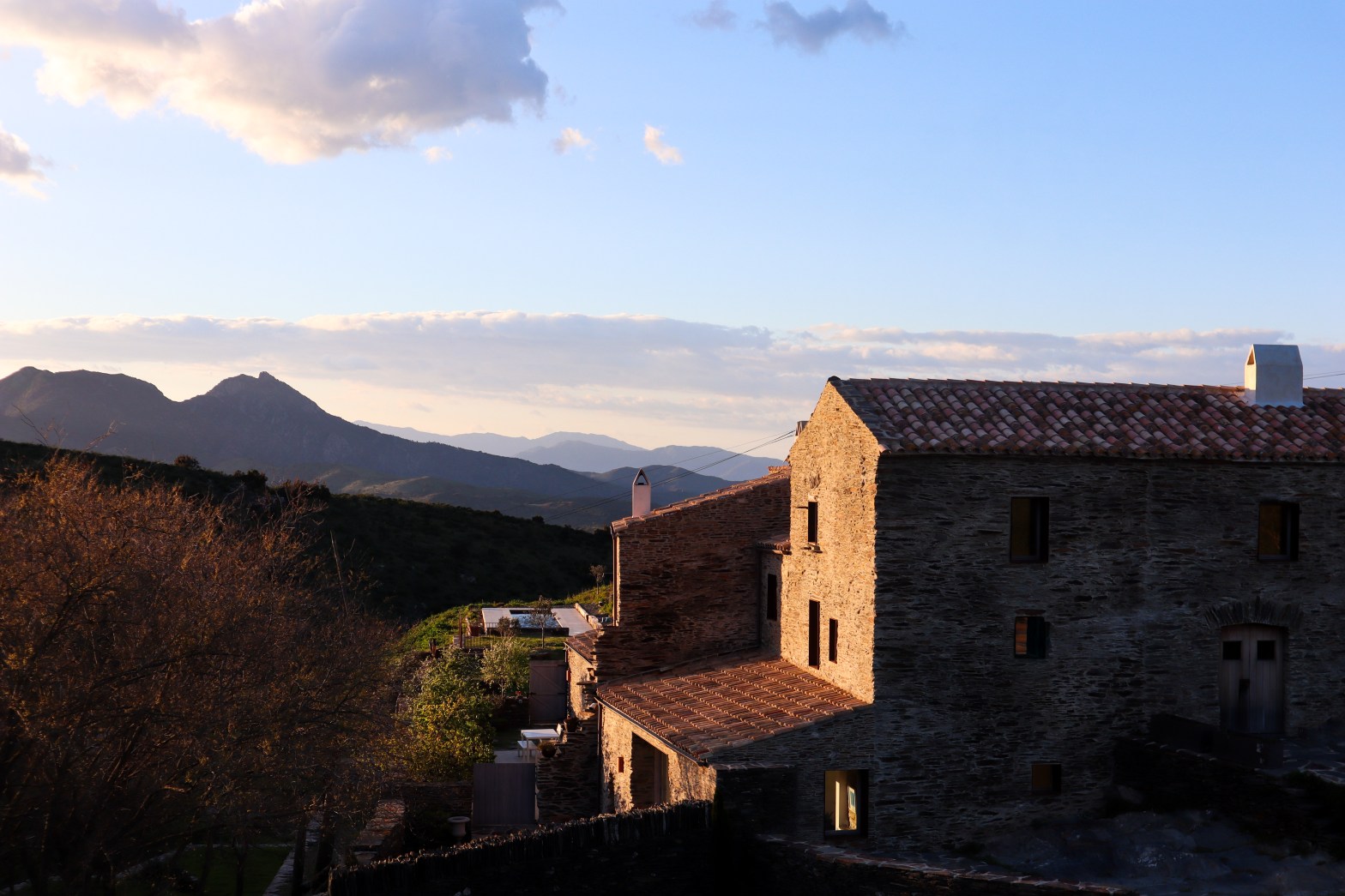
“I can see you!”, comes a voice over the phone. We’ve driven scenic winding roads through the lower foothills of the Pyrenees from the town of Roses and have unexpectedly found ourselves in the middle of the Cap de Creus national park, in front of a sign forbidding entry into a military area on top of the hill. We’ve taken a wrong turn, but fortunately the plains on this Catalonian hillside are so far-reaching that Donald, owner of Mas dels Arbres (farm of the trees in English), can see us all the way from his farm.
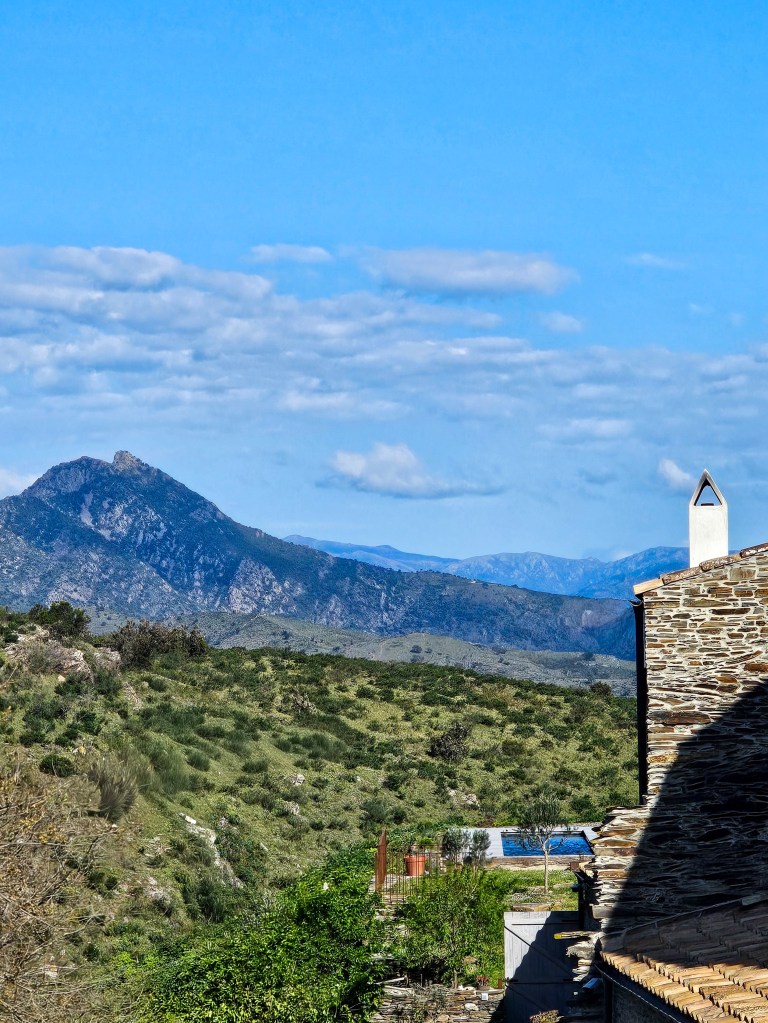
Course corrected and we reach our destination, a meticulously-restored historic farmhouse on a hill that offers a perfect view of the snow-capped Pyranees on one side and the Mediterranean Sea on the other.
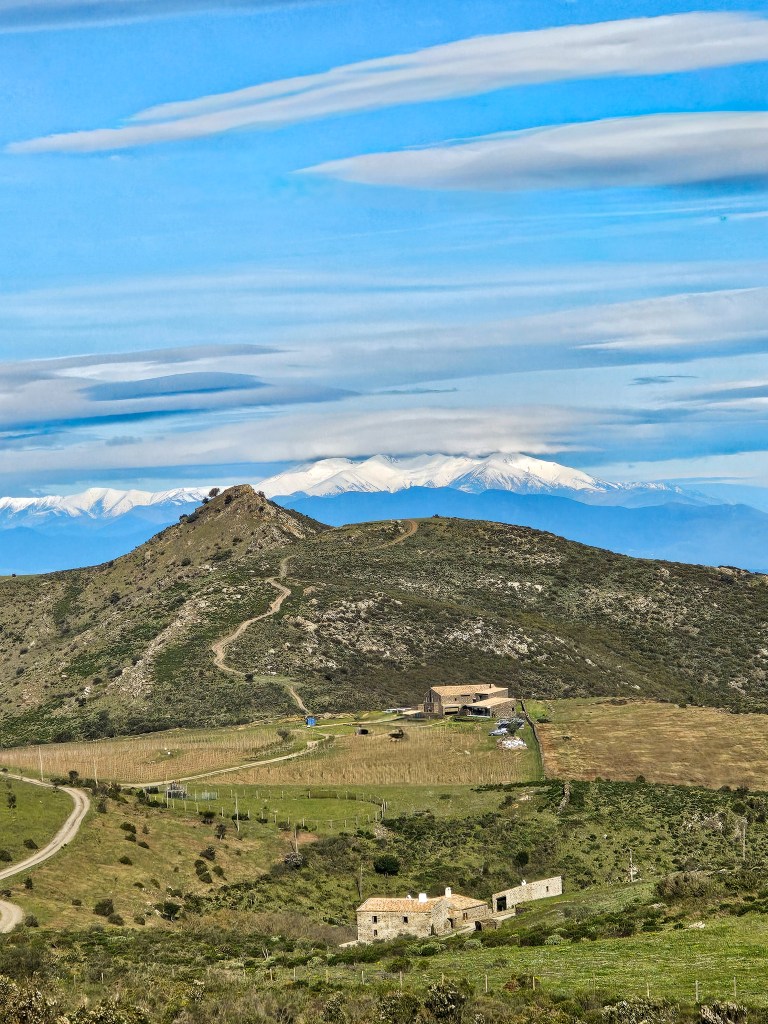
It’s a location that’s culturally iconic and steeped in artistic folklore; Salvador Dalí was a resident of nearby Port Lligat and many of his most surreal works feature the twisted rocks of Cap de Creus; the bohemian fishing village of Cadaqués was an artistic hub in the 20th century for the likes of Picasso, Miró and Duchamp; and the national park was also home to the world’s top restaurant, El Bulli, from 1964 until 2011 (the site is now home to a museum dedicated to the culinary behemoth).
Despite these eminent surroundings, the welcome we receive at Mas dels Arbres is warm, laissez-faire and unpretentious – an attitude that sums up the approach to life in this part of Catalonia. The owners bought Mas dels Arbres in 2019, taking on the significant task of restoring the 1750s farmhouse to an exceptional standard fit for the understated luxury market. At the heart of the project was a commitment to honouring the rich heritage and history of the house, which was last occupied by a farming family in the 1970s.
Mas dels Arbres is hard to define; It’s not hotel or a guesthouse, nor is it solely for private rental. In keeping with the relaxed ambience, Donald prefers to keep things fluid. Put simply, it’s a farmhouse that could one week host a family reunion, an intimate wedding the next, and then seamlessly transform into a perfect venue for wellness retreat getaways or small corporate activities. In the weeks following our visit, the house will play host to British and Catalan charities, collaborating on a wildlife project – and they’re in for a treat as access to nature in this part of the world is a marvel. Cap de Creus is famously one of the most rugged parts of Spain (it’s called the Costa Brava or ‘wild coast’ for a reason), jutting out into the mediterranean to form the most easterly point of the Spanish mainland. This exposure to the elements creates unpredictable and enigmatic conditions, including the fierce Tramuntana – a wild wind that roars across this part of the country, bringing with it crisp blue skies and dramatic storms.
At Donald’s recommendation, we’re at the Cap de Creus restaurant – a fascinating and romantic place on the exposed tip of the cape – when we receive a national alert via text message, warning of a dangerous Tramuntana that could reach speeds of 140km/h. High on the hills at Mas dels Arbres, where the land is open and plentiful, the olive trees rattle furiously under a perfect blue sky and the white horses of the sea are visible in the distance below. This has to be one of the most atmospheric places on earth.
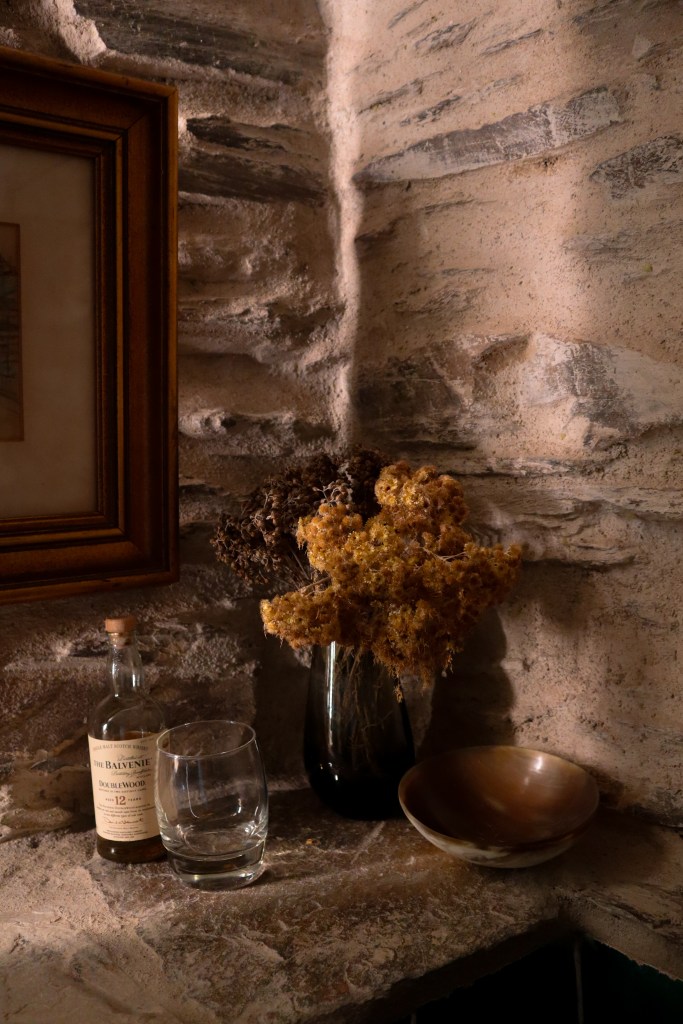
In fact, if it weren’t for the olive trees, this could be Donald’s native Scotland. The landscape is lush and green, and heather bushes cover the hills in a purple blanket. Inside the house, the downstairs bathroom carries a distinctly Caledonian theme, showing the Scottish isles through maps on the wall and even a small bottle of Balvenie whisky for guests to imbibe a dram as they pass by.
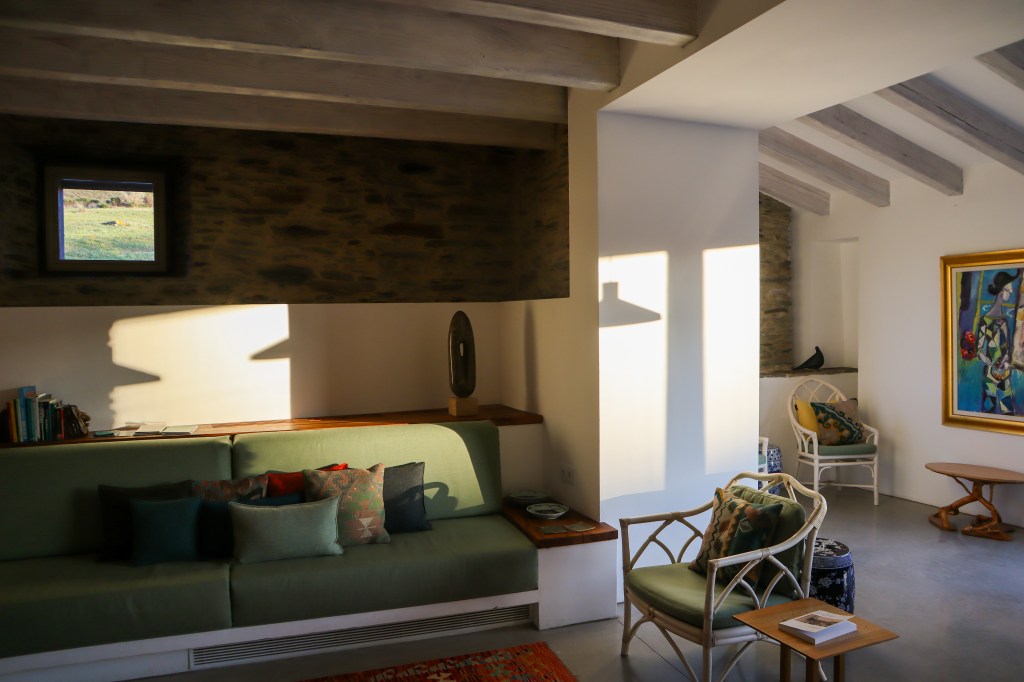
However, Mas dels Arbres is unmistakably Spanish. The pristine white interiors – designed to protect against the heat of summer – wouldn’t be out of place in a balearic village. The flooring is a combination of contemporary polished concrete and dark wood floorboards, and sections of the walls are left exposed, revealing stonework from centuries ago. This restoration effort has been a true labour of love for the owners, who meticulously ensured that each new wall or edit to the structure would blend with the original, but also stand out just enough to proudly tell the story of its evolution. Donald points out a metal hook above the door on the exterior wall. It has been consciously maintained in tribute to the previous owner, who explained that it was used to hang a light to guide him home when he was leading his animals as a young boy living on the farm in the ’40s. As Donald describes this design choice, it’s clear that Mas dels Arbres is so much more than a hospitality project; it’s also a way to retain the rich cultural history of the region.
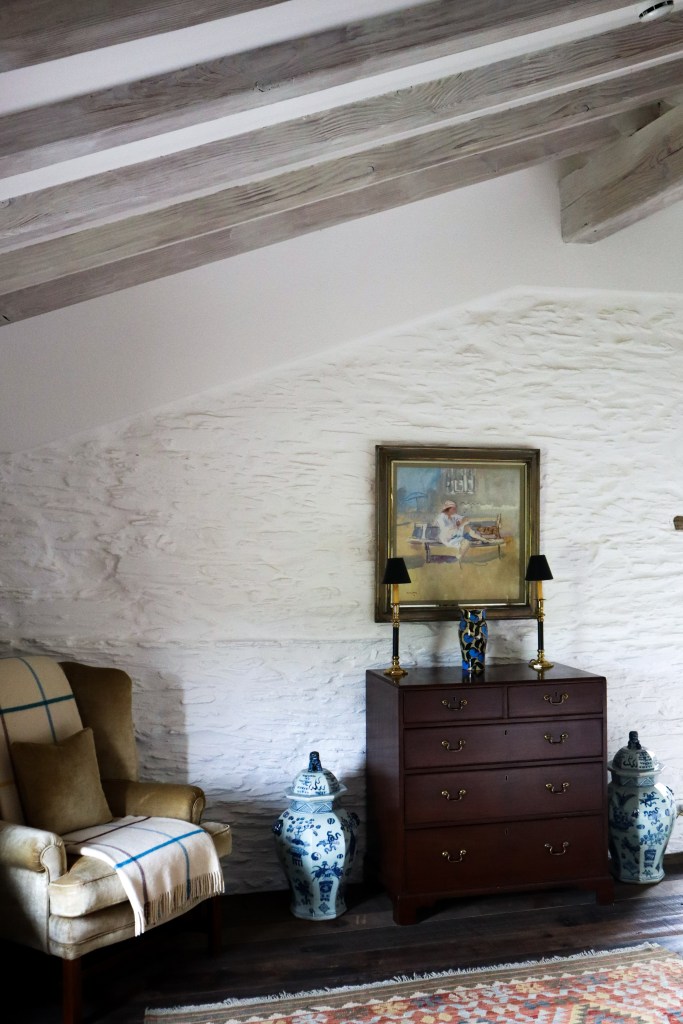
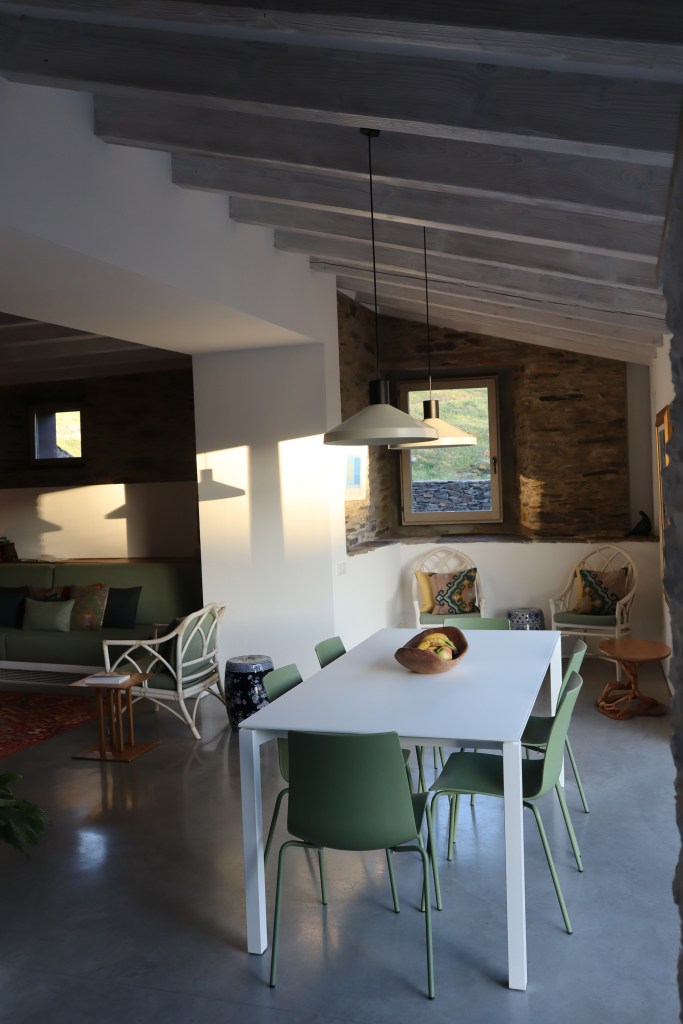
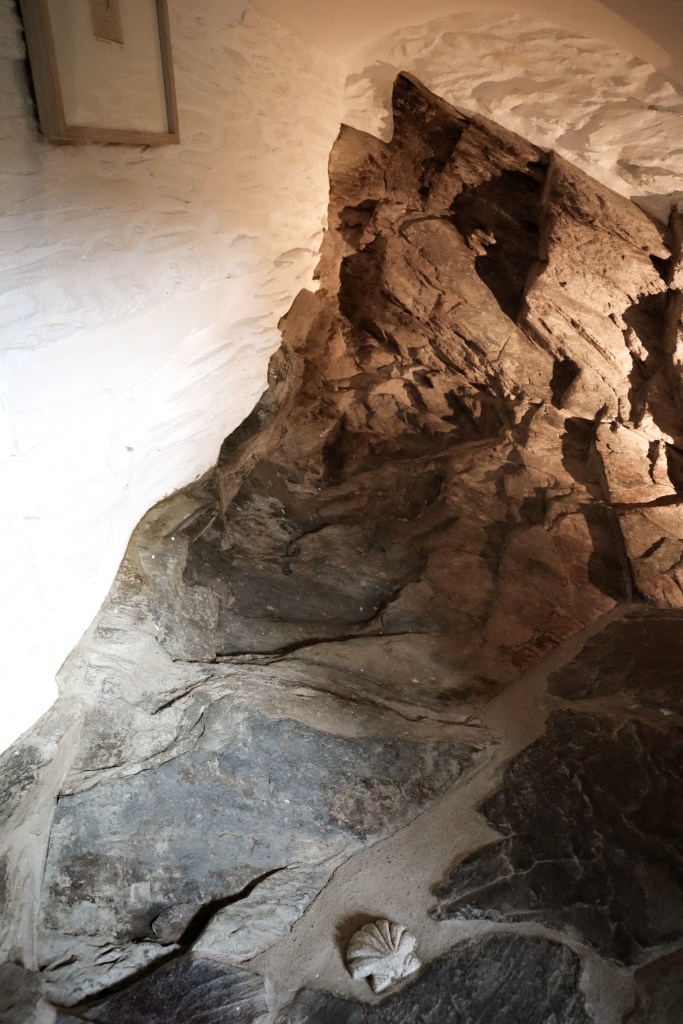
Upstairs, the bedrooms bear the marks of a hardworking past: a cement sink from the old kitchen forms a decorative vanity table; a window in the eaves reveals the remains of an old stone oven; in the entrance hall, the cement floor gives way to an uneven patchwork of flagstones – the original rock from the foundations of the house. A stone imprint of a shell – added during the restoration – is a reminder that this area also forms part of the Camino de Santiago (the Catalan Way).
And while the humble simplicity of the past is ever-present, Mas dels Arbres is simultaneously a place that embodies quality and comfort. In every corner, antique furniture blends with carefully-selected artwork that reflects the taste of its owners (or in some cases created by the artists who came for residencies and were inspired by what they found). Wooden armoires hold sculptures and trinkets, upholstered velvet armchairs are draped with thick tartan blankets, and sprigs of olive branch and fresh lavender from the farm sprout from tiny vases. In contrast with the backdrop of bare stone walls and traditional wooden beams, the windows are triple-glazed to temper the howling wind and the bedside recesses come equipped with usb ports. Atop a Persian silk rug (a personal touch donated by Donald’s father), our bed is layered with rich fabrics. In the ensuite, a stylish space with clean lines and neutral tones, a rain shower pumps water straight from the farm’s own well – crystal clear and safe for drinking.
Living in a place so rugged comes with its own challenges and, despite being just a short drive from the nearby towns of Roses and Cadaqués, Mas dels Arbres has been adapted for sustainable off-grid living. In addition to the well, the farm also runs from its own PV power/batteries and waste system.
The privilege of living in the centre of a natural park is not for the faint spirited, and Donald is a fully committed member of the local community, working tirelessly to ensure the maintenance and protection of the park’s natural beauty.
The practicalities – from bush brushing to prevent forest fires and painstaking restoration of dilapidated stone walls – aren’t glamorous, but they do demonstrate a dedication to conscious ownership that transcends expectations.
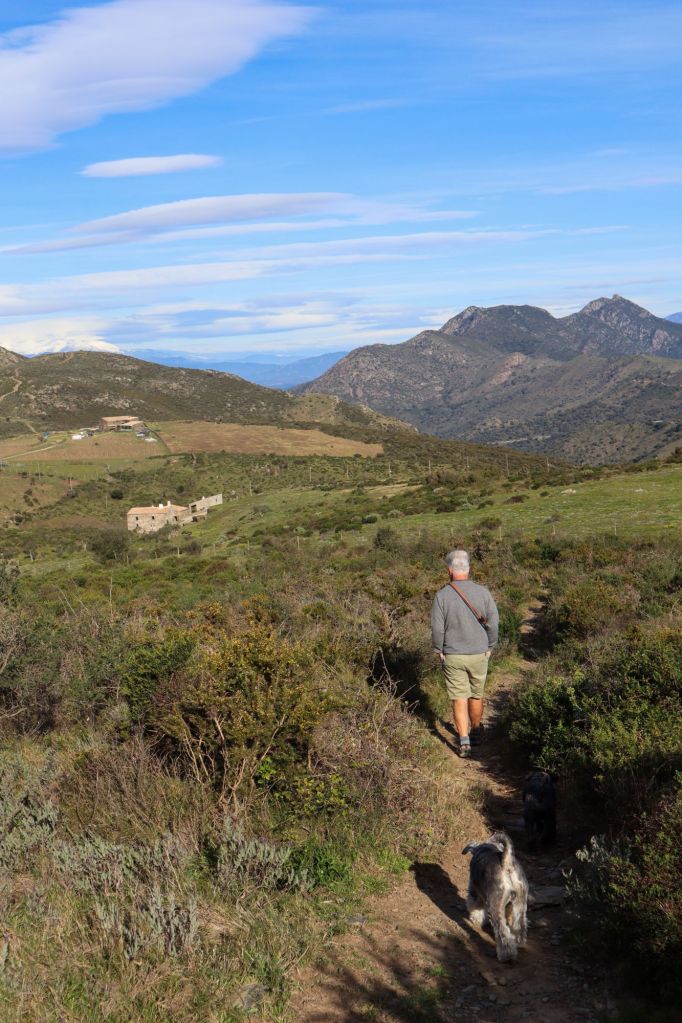
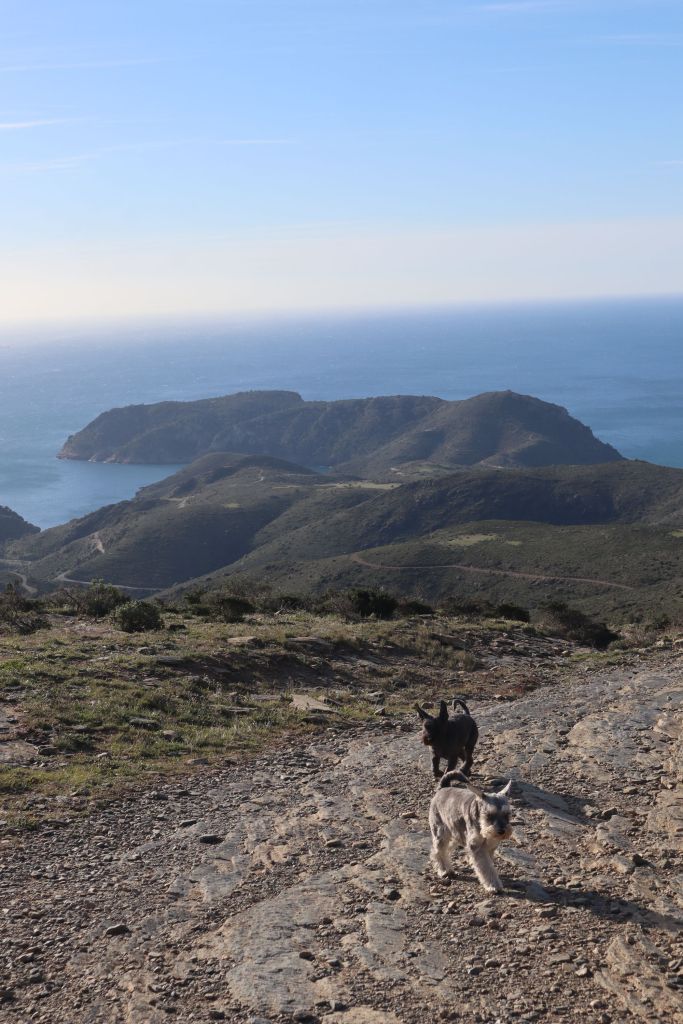
As we explore just a corner of the 685m2 farm with Donald (his miniature schnauzers, Wullie and Buster in tow), shouting to speak over the roaring wind, he shows us the literal fruits of his labours: hives where the farm’s own honey is produced, olive trees with promise of home-grown olive oil, empty land that will one day sprout vines for making wine. Perhaps our favourite spot on the farm is a small meadow sheltered by a section of the stone boundary wall, where a twisted tree branch has been strategically placed under the shade of an olive tree – a carefully curated reading corner. Throughout the walk, Donald signals corners of the farm he’s intentionally designated for yoga practice or walking.
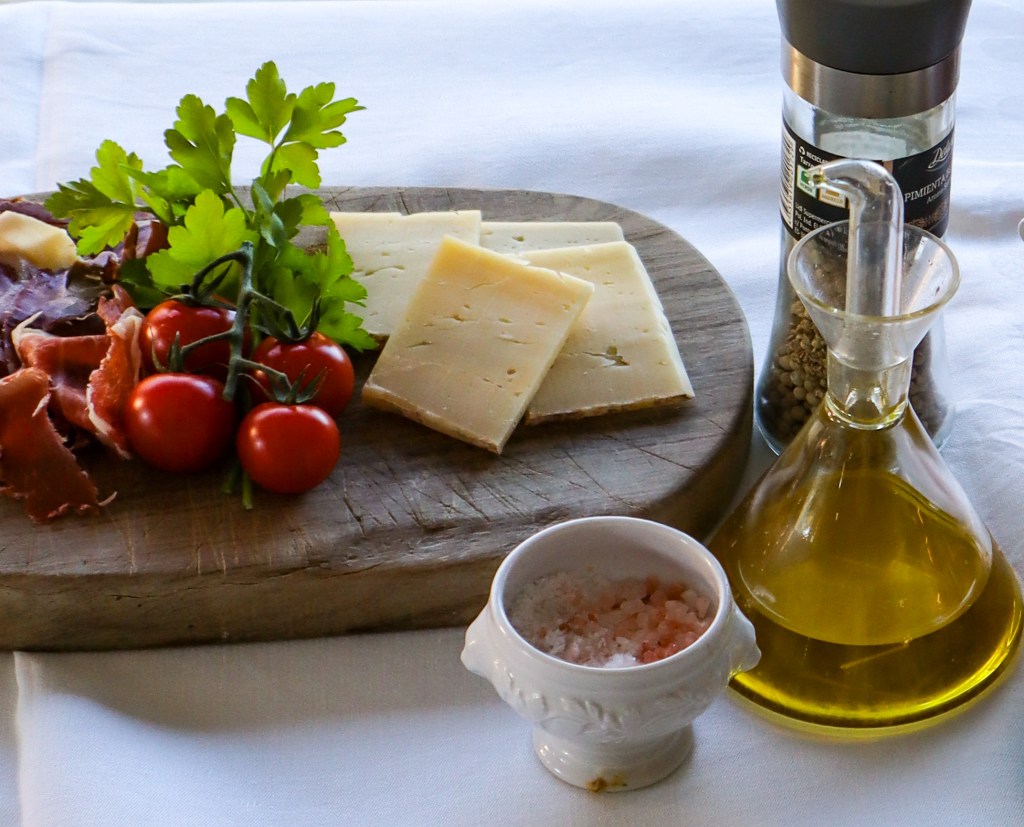
By dint of having to operate largely off-grid, self-sufficiency has also become part of the charm of a stay of Mas dels Arbres; breakfast (available for particular categories of stay when arranged with the owners) is a smorgasbord of local treats – from homemade jams, honeys and overnight oats to local cheeses, meats and pastries.
Donald knows everyone in town, meaning we get to enjoy the very best of what the region has to offer. The cheese we try is an unique take on British-style cheddar made with local ingredients from Yorkshireman Phil Roberts from Artesans dels Avalls; the meat is the highest-quality jamón serrano, made from chestnut-fed pigs; the pastries come from a tiny bakery in Cadaqués, where Donald knows the baker by name. During our stay we try fine wines from tiny bodegas and spend our time efficiently, enabled by top tips from these passionate locals, who in turn also form a cornerstone of this community of small businesses.
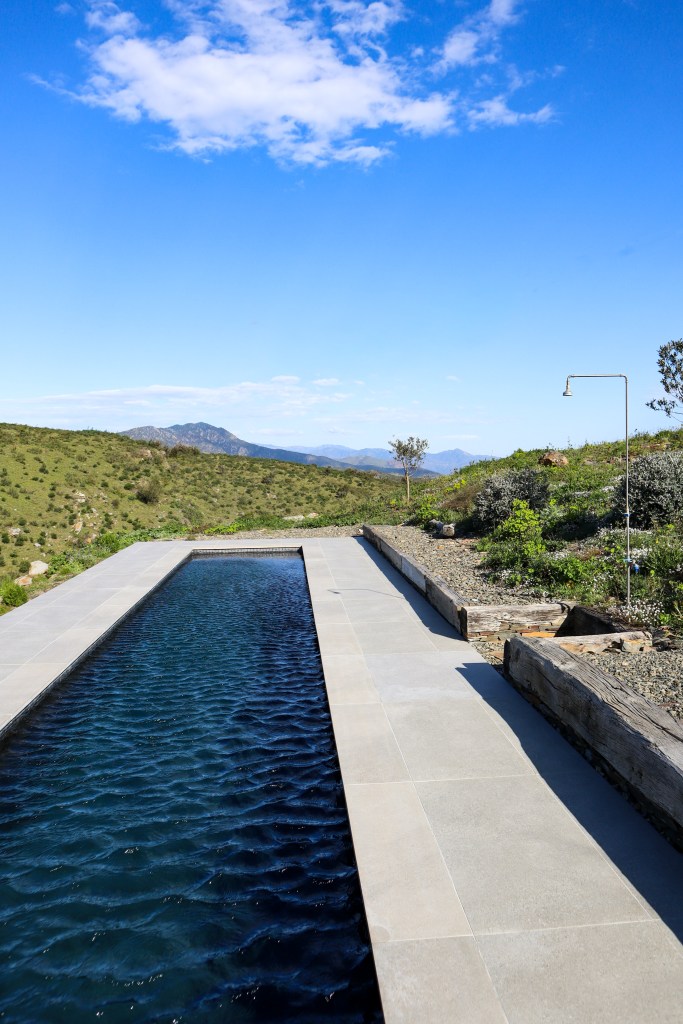
It’s also clear to see why this would be a location of choice for artists, writers, and those in need of peace and quiet. The swimming pool – a deep blue stretch of salt water – appears almost otherworldly among the wild meadows and hills that surround it.
On a clear night, you can see the lights of Montpellier from here, and on balmy summer nights dinner can be set up poolside.
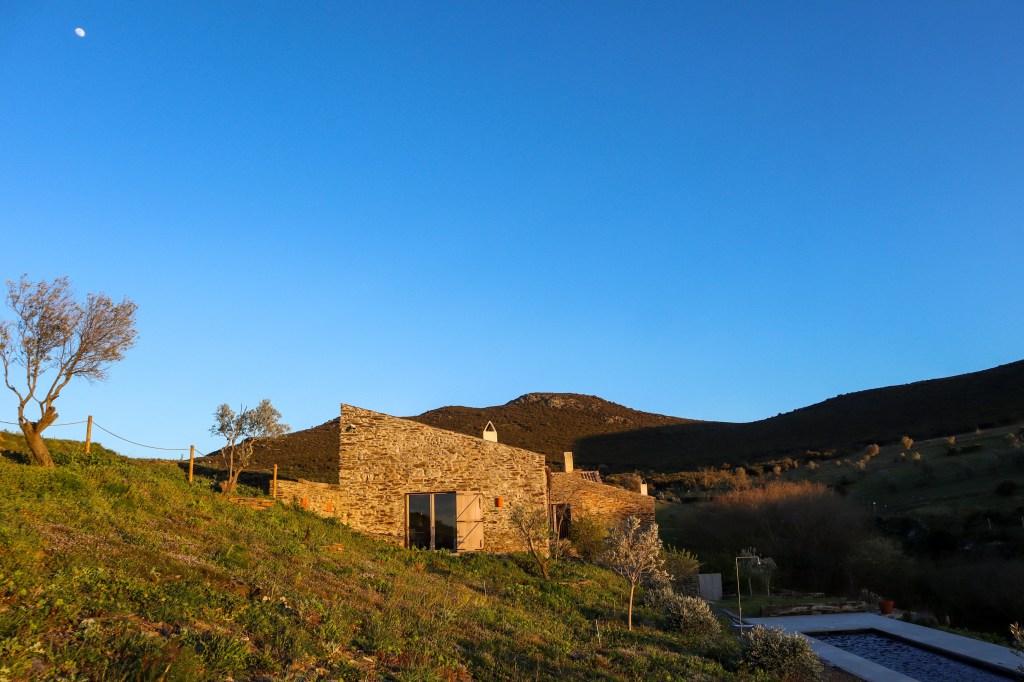
In addition to the farmhouse (where the owner also lives in a separate annex of the house) there are two self-contained suites. The Stable Suite carries a similar design theme to the main farmhouse – Mediterranean white with accents of wood, clean lines and a super king size bed. The Garden Suite channels mid-century modern with a fun, ’70s-inspired colour palette and furniture from English designer, Ercol. Both suites boast two covered terraces, one looking out onto the pool and the other towards the Vermilion Coast between Catalonia and southern France. Writing desks and wood-burning stoves create the perfect environment for a cosy winter hideaway to get the creative juices flowing.
The value proposition of Mas dels Arbres is clear: disconnect, unwind, and leave with your proverbial cup well and truly brimming. The house is a multi-lingual library of fiction and non-fiction works just waiting to be leafed through in a shaded corner of the garden, while the poolside verandah is poised to host a quiet sundowner with a view. Outside the farmhouse walls, the meadows of wild flowers and hills are a wildlife sanctuary just waiting to be explored. We’ve only been at Mas dels Arbres for two days, but it feels like we’ve been away for weeks. Our skin is sun-kissed and wind-beaten, and the mountain air has us contentedly restful. We bid farewell to Donald like saying goodbye to a friend we’ve known for years and with promises of a return visit. Mas dels Arbres is a truly unique place that can be whatever you need it to be, at just the moment you need it. Come and let the Tramuntana blow away your cobwebs and feel renewed by this home away from home.
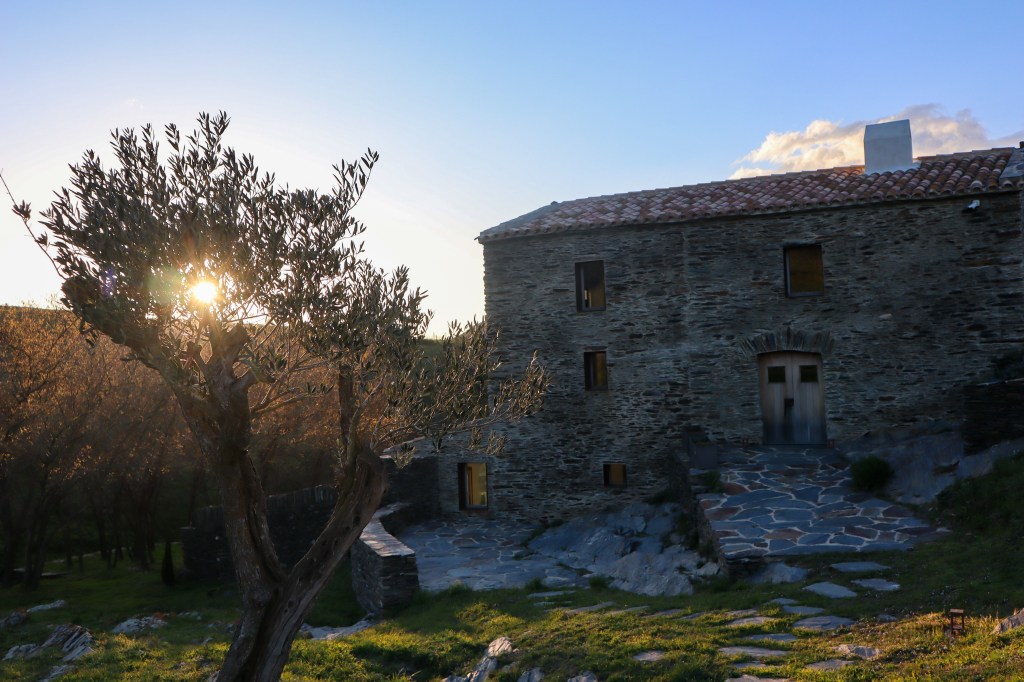
We stayed in Room 2 in the main farmhouse on a bed and breakfast basis. To design your unique stay and for best prices, contact Mas dels Arbres directly.
This was a press stay – all opinions are our own.
Discover more from
Subscribe to get the latest posts sent to your email.

